


.jpg)
If you’re working in CPG right now, you don’t need a report to tell you what you’re already feeling: growth is getting harder, promotions aren’t pulling the same weight, and shoppers are still watching every dollar. Innovation pipelines are thinner. Category loyalty is wobblier. And even when teams want to make bolder moves, budget freezes and slow research cycles make every decision feel like a gamble.
But there’s good news: the path forward doesn’t require bigger budgets — just smarter, faster, more human insight loops.
In a recent CPG Matters article, Jon Dore, EVP at Reach3 Insights, breaks down seven resolutions CPG leaders can adopt to rebuild momentum in 2026. This post recaps Jon’s perspective, expands on the trends fueling these shifts, and gives you actionable steps you can put in motion.
CPG research trends in 2026
According to Jon, “2026 brings a clean slate and a chance to rebuild momentum with methods that meet consumers where they are.” And he’s right — because consumer behavior is shifting quickly.
1. Create a continuous feedback rhythm
Jon notes that many teams are “flying blind” because studies take months to field. He recommends short, mobile-based “learning sprints” to keep a live pulse on attitudes, pack preferences, or message response.
Takeaway: If your team makes more assumptions than decisions, it’s time to rethink your research cadence. Using agile research to get continuous insights is a must in 2026.
2. Bring research into consumers’ real lives
Jon writes, "People don’t think about your category in a focus group room,” and TBH, that’s the line every CPG insights team needs on a T-shirt.
Mobile-first, conversational approaches capture “in-the-moment” reactions grounded in what’s actually in someone’s fridge, pantry, or cart — not what they vaguely remember in a facility.
3. Let AI uncover what shoppers can’t explain
Jon notes that “many CPG decisions are automatic,” which means people often can’t articulate why they do what they do.
AI-accelerated insight tools can detect shallow answers, prompt richer detail, and surface emotional cues in low-involvement categories. Think of it as research that nudges people to open up — without feeling like work.
4. Stay ahead of change — not on top of it
"Disruption rarely arrives with warning labels," Jon emphasizes. "The brands that adapt the fastest are those that keep listening even when things seem stable."
He references Tyson Foods using mobile diaries and follow-up video chats during the pandemic to understand shifting routines. That kind of ongoing listening isn’t just smart — it’s how brands spot new occasions, unmet needs, and whitespace before competitors do.
5. Treat price and promotion as storytelling tools
CPG pricing used to be math. Now it’s psychology.
As Jon puts it: “Pricing is communication about fairness, quality, and trust.” Pairing elasticity modeling with quick conversational tests allows teams to understand how framing, portioning, or claim language shapes perceived value.
Great pricing strategy in consumer goods isn’t about discounts. It’s about meaning.
"In an inflation-weary market, subtle framing changes can sustain trust and protect margin more effectively than across-the-board discounts," Jon adds.
6. Share insights the way people actually consume information
Jon makes an important observation: “Even the best data loses momentum if it stays in a PowerPoint deck.”
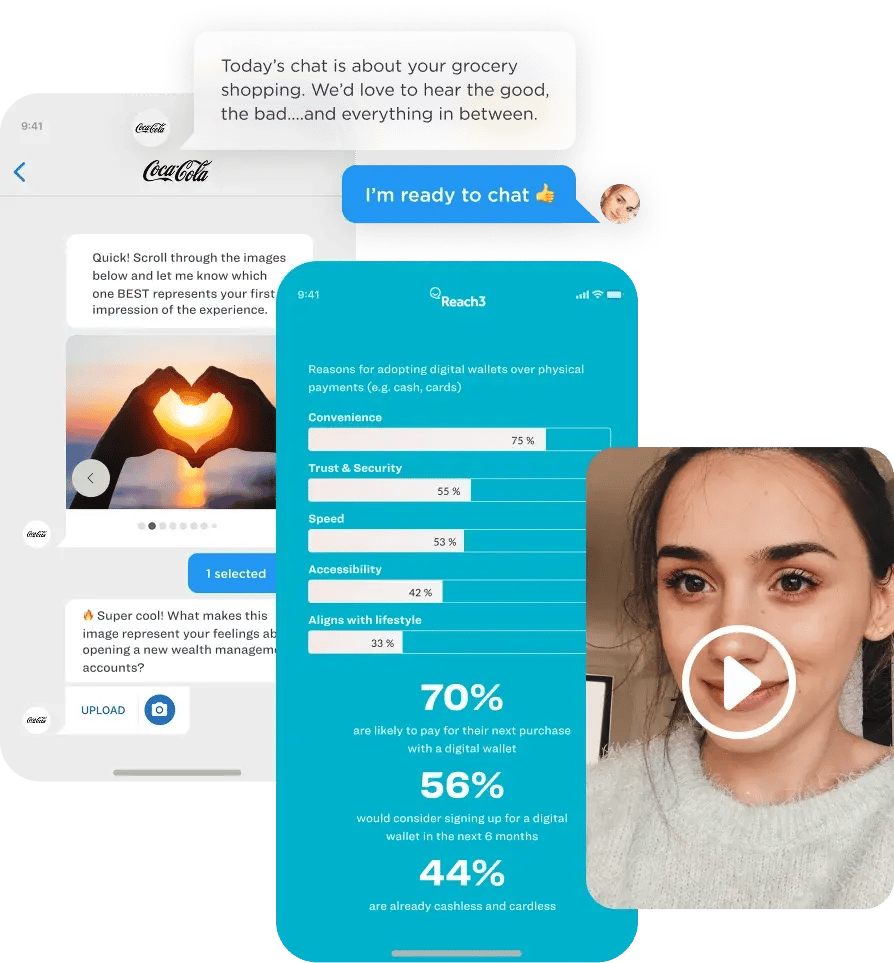
Short video highlights, mobile summaries, dynamic dashboards — these formats don’t just inform; they travel. Effective storytelling techniques open the door for insights to become cultural touchpoints inside organizations, not just presentations.
Pro tip:
A video clip of a participant explaining a frustration is more persuasive than 40 slides of charts. Humans remember stories, not spreadsheets.
7. Redefine data quality through participant experience
Jon challenges an industry misconception: bots aren’t the only quality issue. Disengaged humans can tank your data too.
His advice? Keep activities short, intuitive, conversational, and respectful. Recontact your best participants. Recruit from trusted communities. Make the experience feel human.
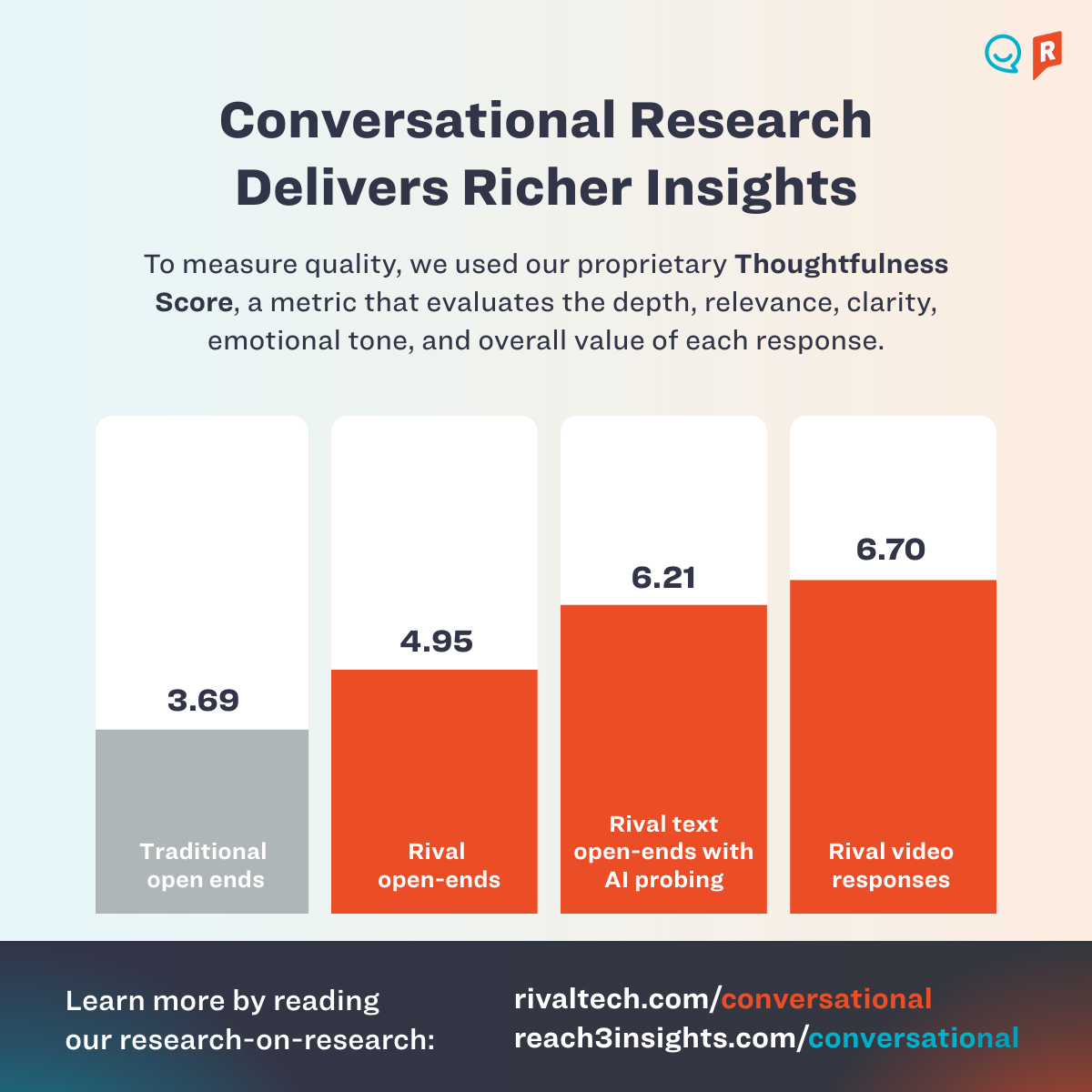
This approach is so valuable because, as we shared in our recent research-on-research, a conversational approach delivers more thoughtful responses and up to 8x deeper insights.
Rediscovering CPG research's rhythm in 2026
2025 was hard year for CPG, but Jon remains bullish about the future of the industry.
"CPG leaders have a rare chance to rebuild curiosity and momentum after a challenging stretch," he concludes. "The teams that stay close to consumers – continuously – will see opportunity sooner and act with more confidence."