


How cultural relevance, human connection, and brand experience can turn global fandom into meaningful engagement
The FIFA World Cup has always been one of the biggest sporting events in the world. This summer, it's also become one of the biggest stages for brands.
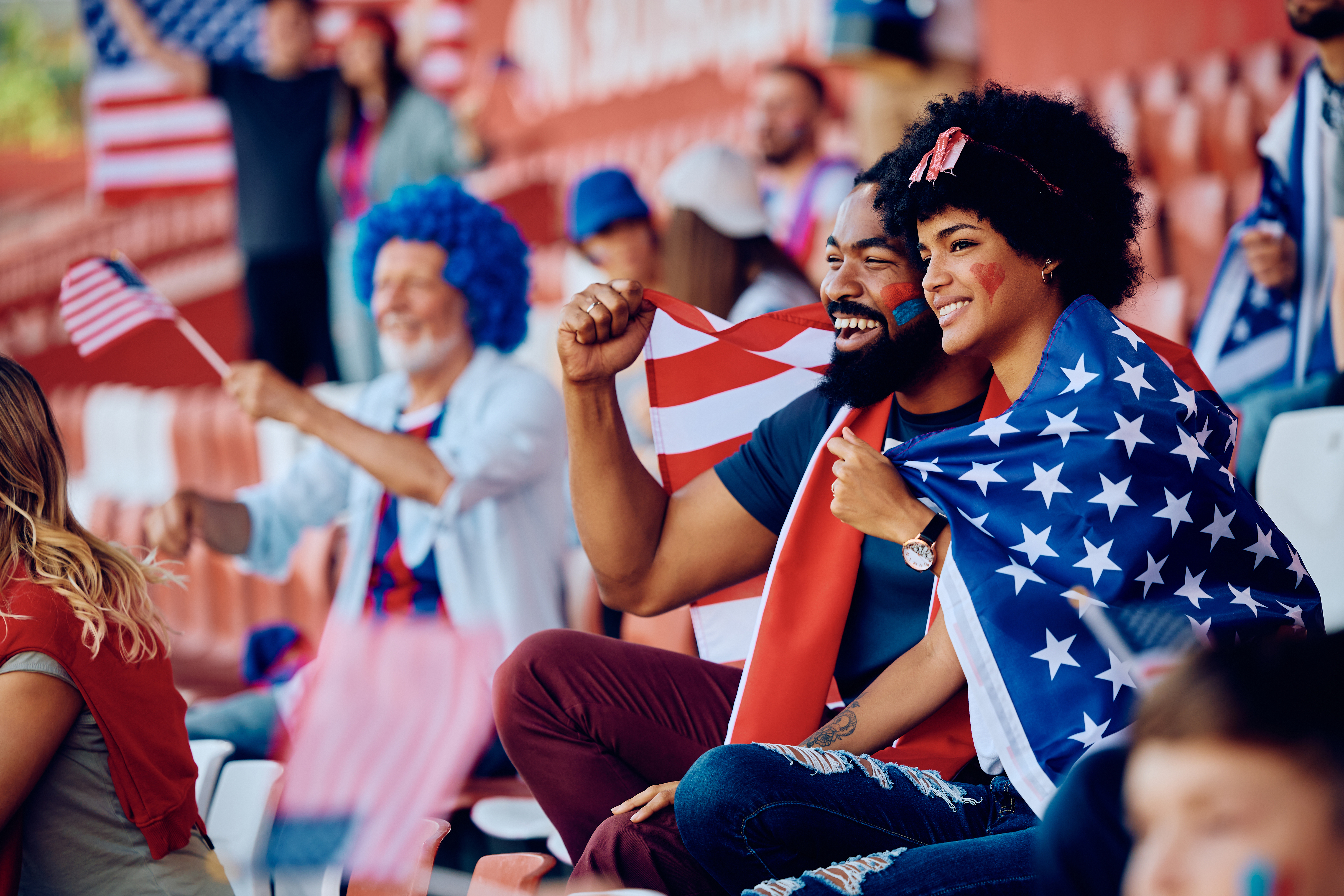
Fans have been greeted with everything from interactive fan festivals and neighbourhood watch parties to Target's Summer Goals Tour, Powerade's House of Future Legends and Bank of America's viral Fan Bands.
Rather than relying on stadium signage alone, many brands are creating experiences built around the parts of the World Cup that fans value most: celebrating different cultures, spending time together and sharing the excitement of the tournament.
That raises an interesting question. Which experiences actually resonate with fans?
The FIFA World Cup has always been one of the biggest sporting events in the world. This summer, it's also become one of the biggest stages for brands.
From official sponsorships and fan festivals to watch parties and local activations, companies have spent months finding ways to become part of the tournament. Reach3 Insights wanted to understand how Americans felt about all that activity.
Are brands adding something fans value, or simply adding more marketing to an already crowded event?
The FIFA World Cup is reaching beyond soccer fans
Our latest research points to a clear answer. Americans generally welcome brands as part of the FIFA World Cup experience, but they also have clear expectations for what those brands should contribute.
Nearly six in 10 Americans (58%) had already engaged with the FIFA World Cup by watching matches or highlights, following coverage, talking about the tournament or cheering for a team. When we also included 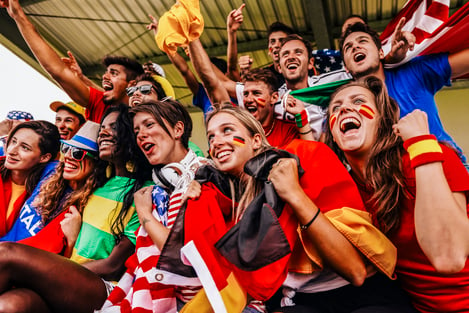 people who said they would consider engaging, that number rose to 69%.
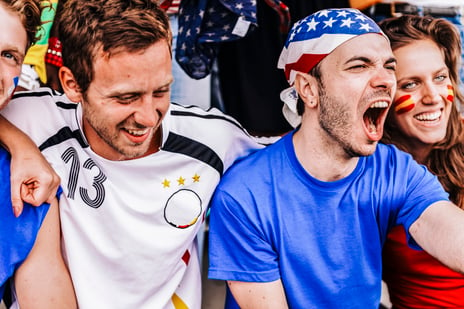
Another finding stood out: 79% agreed that even people who aren't huge soccer fans can get caught up in the excitement. The social side of the tournament came through just as strongly. Nearly nine in 10 Americans (87%) said the FIFA World Cup creates moments that bring people together.
That helps explain why so many brands want to be part of the tournament. It also makes execution more important. Consumers encounter dozens of brands during the tournament, but only a handful stand out afterward.
What Americans want from brands at the FIFA World Cup
Nearly three-quarters of Americans (74%) agreed that the energy surrounding the FIFA World Cup gives brands a chance to be part of something special, while 61% said they like seeing familiar brands associated with the tournament. Yet when we asked people which brands they remembered, unaided recall centered on a relatively small group, including Coca-Cola, Adidas, Nike, McDonald's, Budweiser, Visa and Frito-Lay.
Using Reach3 Insights' conversational research approach, including AI-accelerated Smart Probe follow-up questions, participants expanded on what they were looking for from brands at the FIFA World Cup. Those responses helped explain why some experiences stand out.
People wanted brands to celebrate the different cultures represented at the tournament, help fans celebrate together, support local communities and youth soccer, create interactive experiences and give people something fun or memorable to take away. The ideas were different, but they shared one theme: people wanted brands to make the World Cup experience better, not simply put their name on it.
One participant put it this way:
"A FIFA World Cup sponsorship feels memorable when it goes beyond just showing a logo. I want a brand to create experiences that make fans feel involved and excited..."
Brand experiences shape what people remember
Those experiences shape how people feel about the brands behind them.
Americans said brands that sponsor experiences at the World Cup,
- feel more connected to culture and community (57%),
- understand what fans care about (55%) and
- leave them with a more positive impression of the brand (53%).
But it doesn’t end with perception. Forty-three percent said brand experiences at the World Cup make them more likely to consider buying from the brand, while 40% said they would be likely to talk about or share the experience with others.
Winning experiences can shape how people feel about associated brands and how they engage with them.
How Brand Experience Predictor (BXP) measures beyond attendance and impressions
For marketers, those results raise questions that attendance numbers and media impressions can't answer on their own.
-
How did people experience the activation?
-
Which parts stayed with them?
-
Did it influence how they felt about the brand, make them more likely to try it, recommend it or sign up for something?
-
Did the experience still matter a week later, or was it forgotten as soon as fans left the venue?
That's where Reach3 Insights' Brand Experience Predictor (BXP) comes in. BXP helps brands evaluate experiential activations before they launch, capture in-the-moment feedback while they're happening and reconnect with participants afterward to understand what people remember and how the experience influenced brand perceptions and whether it changed behavior.
It also compares results against a growing normative database built from hundreds of experiential activations across sports, entertainment, retail and other live events around the world, giving marketers context for whether an experience performed as expected or stood out from the crowd. Those benchmarks also help brands identify what to refine for future activations and which elements are worth repeating.
The FIFA World Cup offers a useful reminder that consumers don't separate the experience from the sponsor behind it. They judge them together. Brands that become part of how fans celebrate the tournament are more likely to become part of what people remember afterward.